

Five Pillars of Architectural Vocabulary, Delivered Weekly on Sundays

Welcome to “The Five Orders,” a weekly series of blog entries where we delve into 5 various terms from architecture each week. From ancient motifs to innovative modern approaches, this series will guide you through the lexicon that composes our built environment. If you’re an architecture lover, these weekly posts will serve to give you the vocabulary you need to understand your favorite buildings. This week we’re going to be discussing the 5 classical orders themselves. I hope you’ll tune in each week to expand your vocabulary!
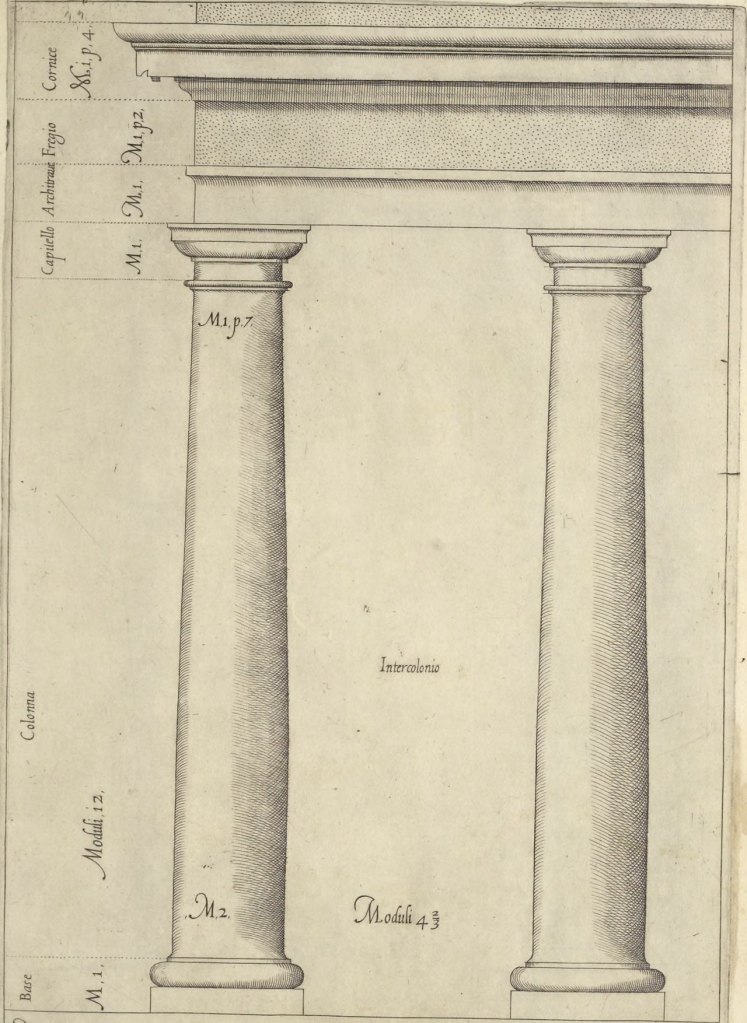
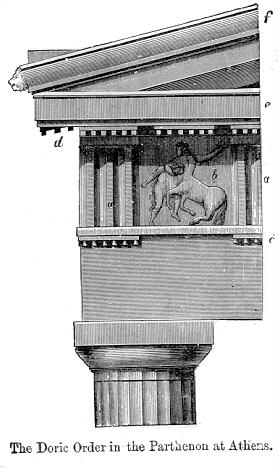
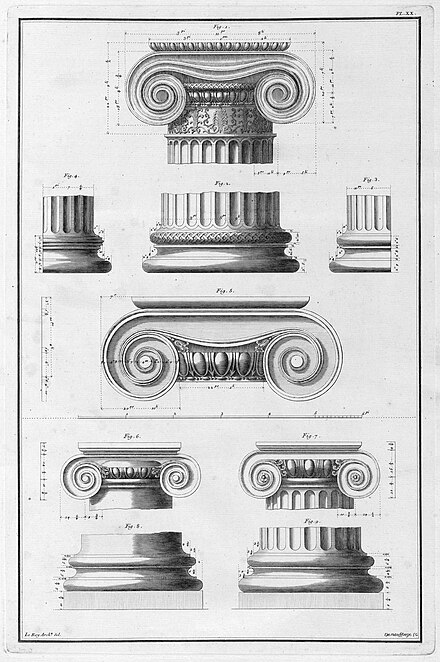
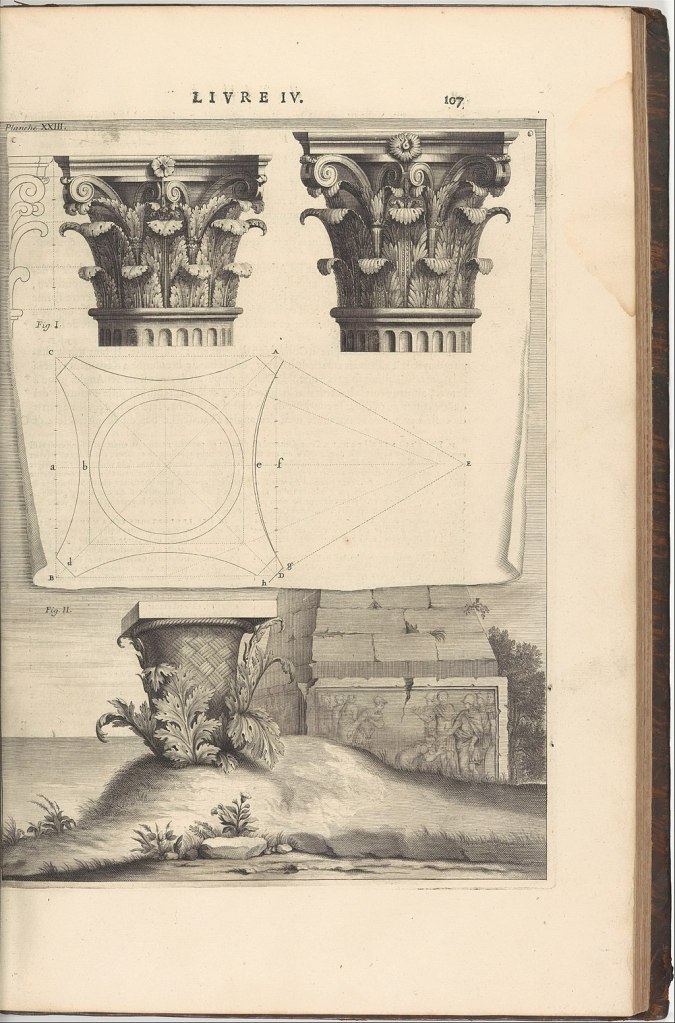
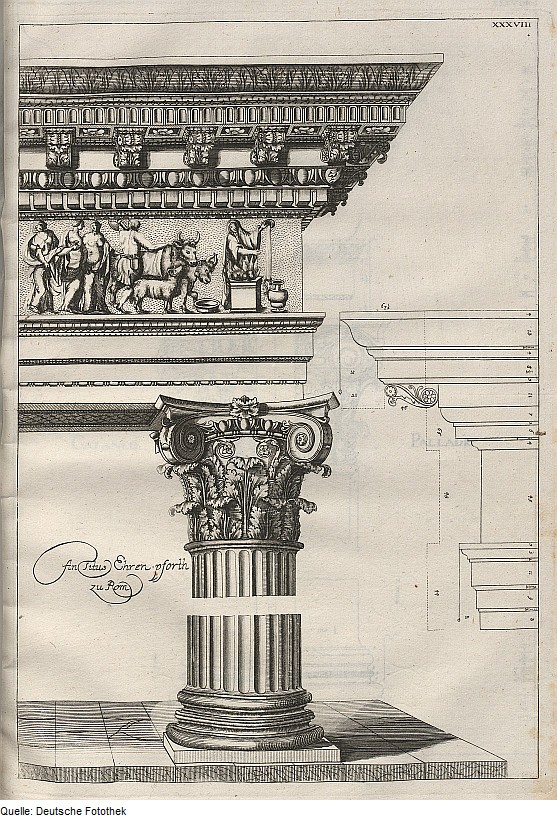
So, what exactly are the five classical orders? Before we get to that, we have to define what an architectural order is. An architectural order is simply a system that defines the proportions, shape, and style of a building or an architectural motif. The five classical orders refer to styles of columns, capitals, and entablatures. They descend from both Roman and Greek architectural tradition hence their classification as “classical” orders. The five orders are as follows: Tuscan, Doric, Ionic, Corinthian, and Composite. You’ve most likely seen some of these orders on columns for government buildings, banks, expensive homes, or other important buildings. My hope is that after you’re done reading, you’ll be able to identify the orders yourself and be able to tell the differences between them.
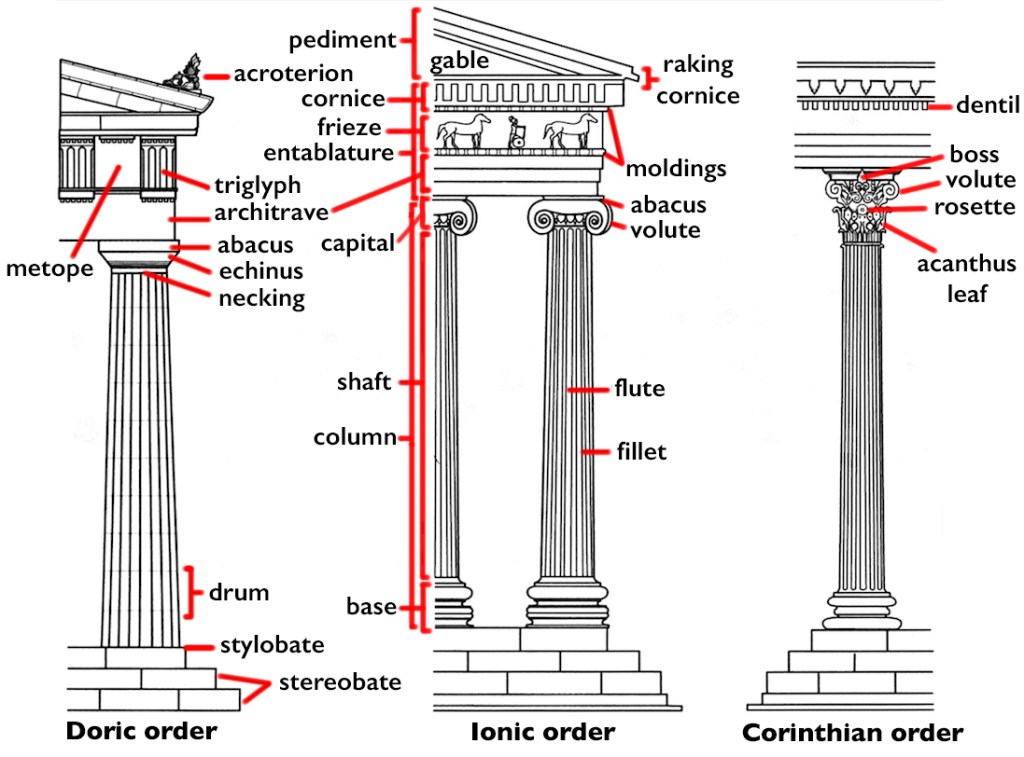
The Five Orders
- Tuscan Order: Italian architect Sebastiano Serlio described the Tuscan Order as “the solidest and least ornate” of the classically ordered columns. The Tuscan Order is characterized by its simplicity and structural stability. It has a plain capital and column with no fluting or ornament. The base is also simplistic, further adding to its more functional aesthetic. The Tuscan Order is essentially a more simplified version of the Doric Order. For this reason it was commonly used for docks, warehouses, military buildings, and prisons. It is one of two orders that share Roman origin with the other being the Composite Order.

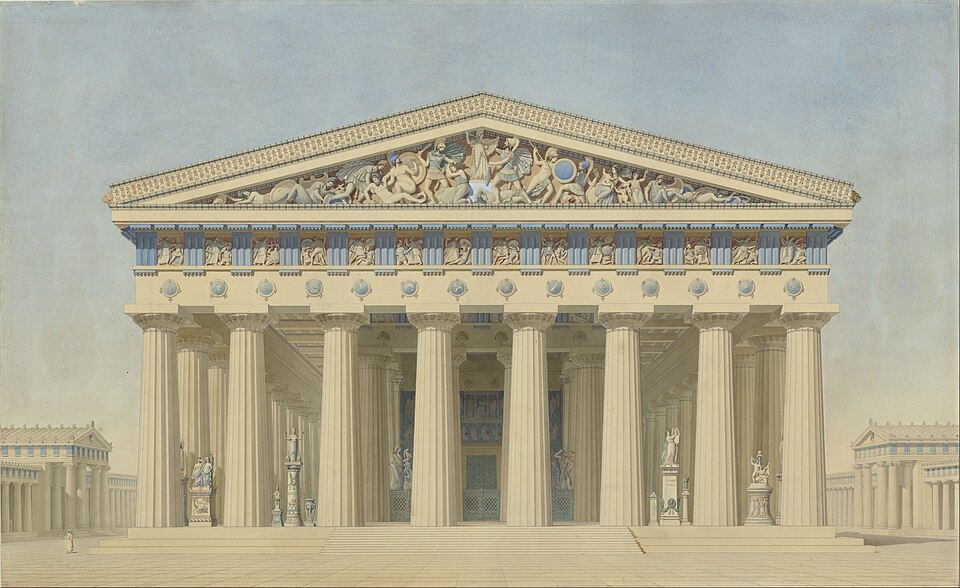
- Doric Order: The Doric order is the first of the three “canonical orders:” Doric, Ionic, and Corinthian. It is easily recognizable given its unadorned capital and fluting on the shaft of the column. Vitruvius associated the Doric Order with masculine proportions. He declared the Doric Order the “strongest” due to it having the widest columns of the canonical orders. It could also be because Doric columns lack a base, arising straight from the stylobate. The order is most commonly associated with ancient temples and neoclassical monuments such as the Temple of Zeus, Parthenon, and The Brandenburg Gate. The two most unique features of the Doric are the Triglyph and Gutta. The Triglyph is a vertically channeled tablet in the Doric Frieze with three grooves. The Guttae are small cone-shaped projections that can be found under the Triglyph. These elements come together to form the aesthetic profile of the Doric Order.
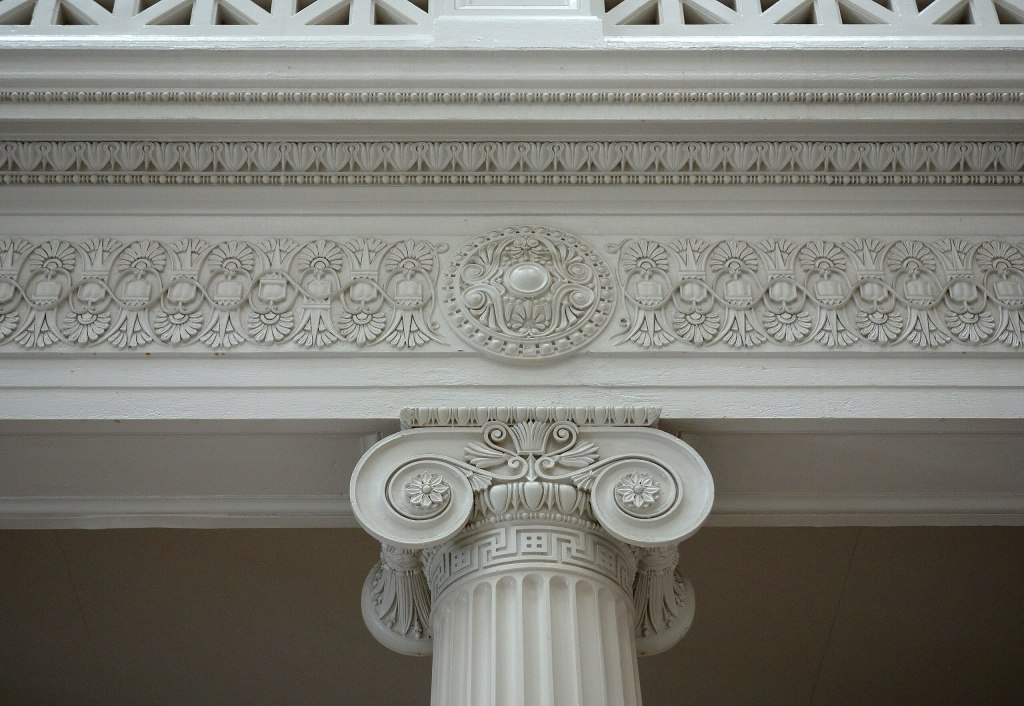
- Ionic Order: The Ionic Order is the second of the three canonical orders, with columns that are slimmer than the Doric but more robust than the Corinthian. The order is defined primarily by its use of volutes. The volute is the scroll-shaped ornament found in the Ionic capital. Ionic capitals are also ornamented with egg-and-dart moulding, a decorative motif of alternating oval and dart-like forms. Vitruvius associated the Ionic order with feminine proportions, complementing the masculine proportions of the Doric Order. Due to their refined aesthetic Ionic columns were used for libraries, small temples, and buildings of either civic or intellectual significance.
- Corinthian Order: Named for the Greek city of Corinth, the Corinthian order is the last of the canonical orders and the most ornate. Its defining feature is the acanthus leaf that decorates its capital. Resembling the Acanthus genus of plants, these ornaments serve to distinguish the Corinthian order’s level of detail and reinforce a floral and regal aesthetic. For this reason, the Corinthian Order is most commonly used on buildings of importance as a projection of power or wealth. This includes buildings like the United States Capitol, St. Peter’s Basilica, and The Louvre.
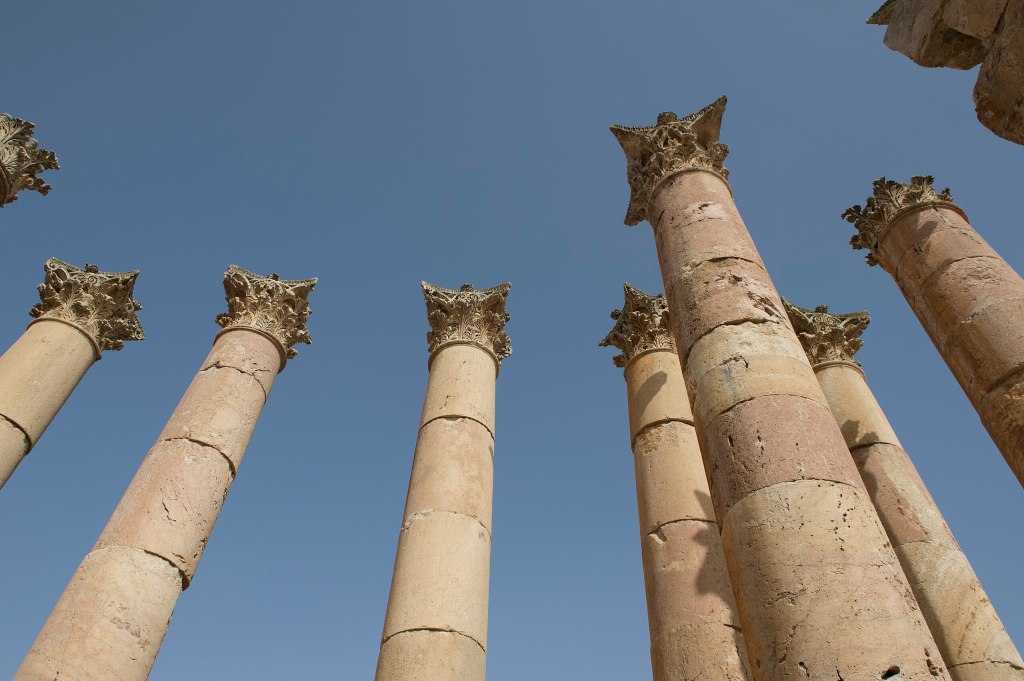
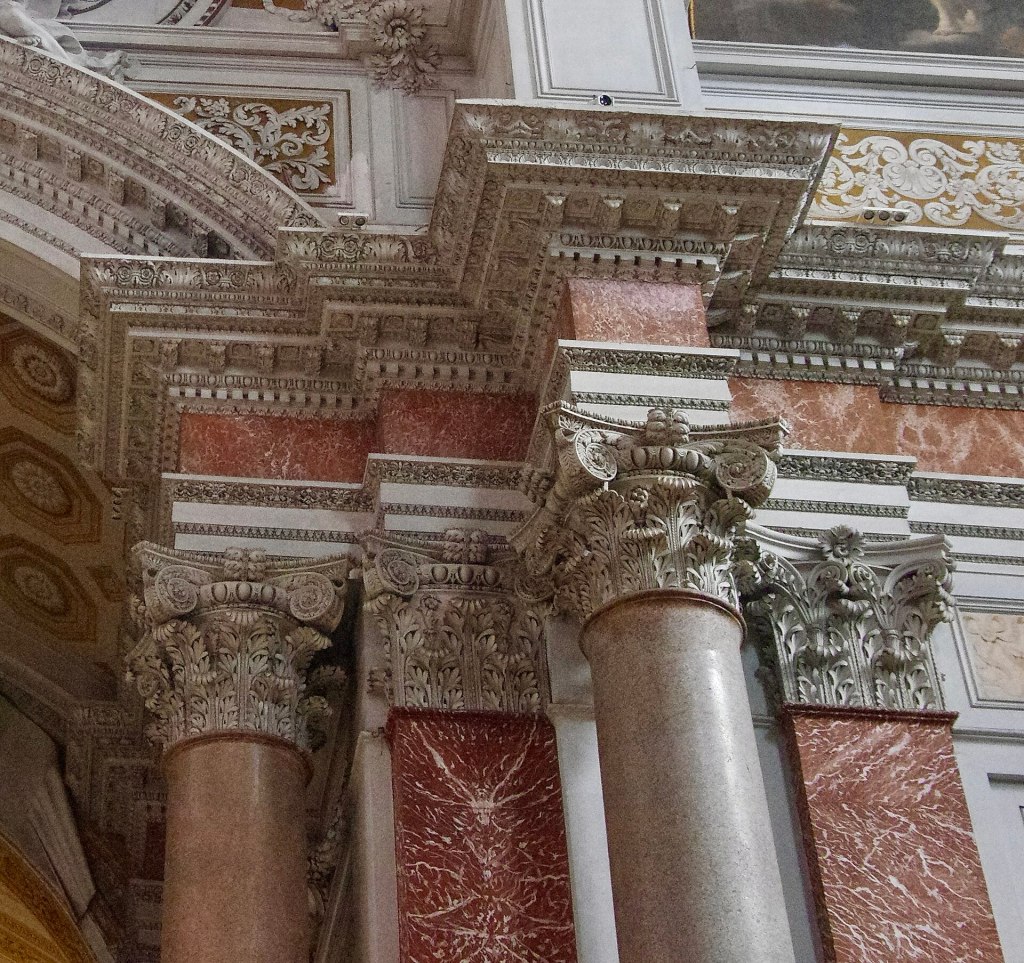
- Composite Order: The Composite Order is the second of the Roman Orders next to the Tuscan Order. It is most easily identifiable as a combination of the Ionic and Corinthian Order. Its capital is adorned with both the Ionic Volute and the Corinthian Acanthus Leaf. Due to its heightened ornamentation it is typically found on monumental structures, such as triumphal arches, government buildings, palaces, and churches. Notable examples include: the Arch of Titus, the Arch of Constantine, and The Pantheon in Paris.
Sources:
Architecture Competitions. The 3 Orders of Ancient Greek Architecture. https://architecturecompetitions.com/the-3-orders-of-ancient-greek-architecture
Encyclopaedia Britannica, Inc. Doric Order. https://www.britannica.com/technology/Doric-order
Columns.com. Classical Orders: Corinthian. https://shop.columns.com/classical-orders-corinthian.aspx
Columns.com. Classical Orders: Tuscan. https://shop.columns.com/classical-orders-tuscan.aspx
Institute of Classical Architecture & Art. The Composite Order: An Overview. https://www.classicist.org/articles/classical-comments-the-composite-order-an-overview/
 De Architectura
Leave a comment